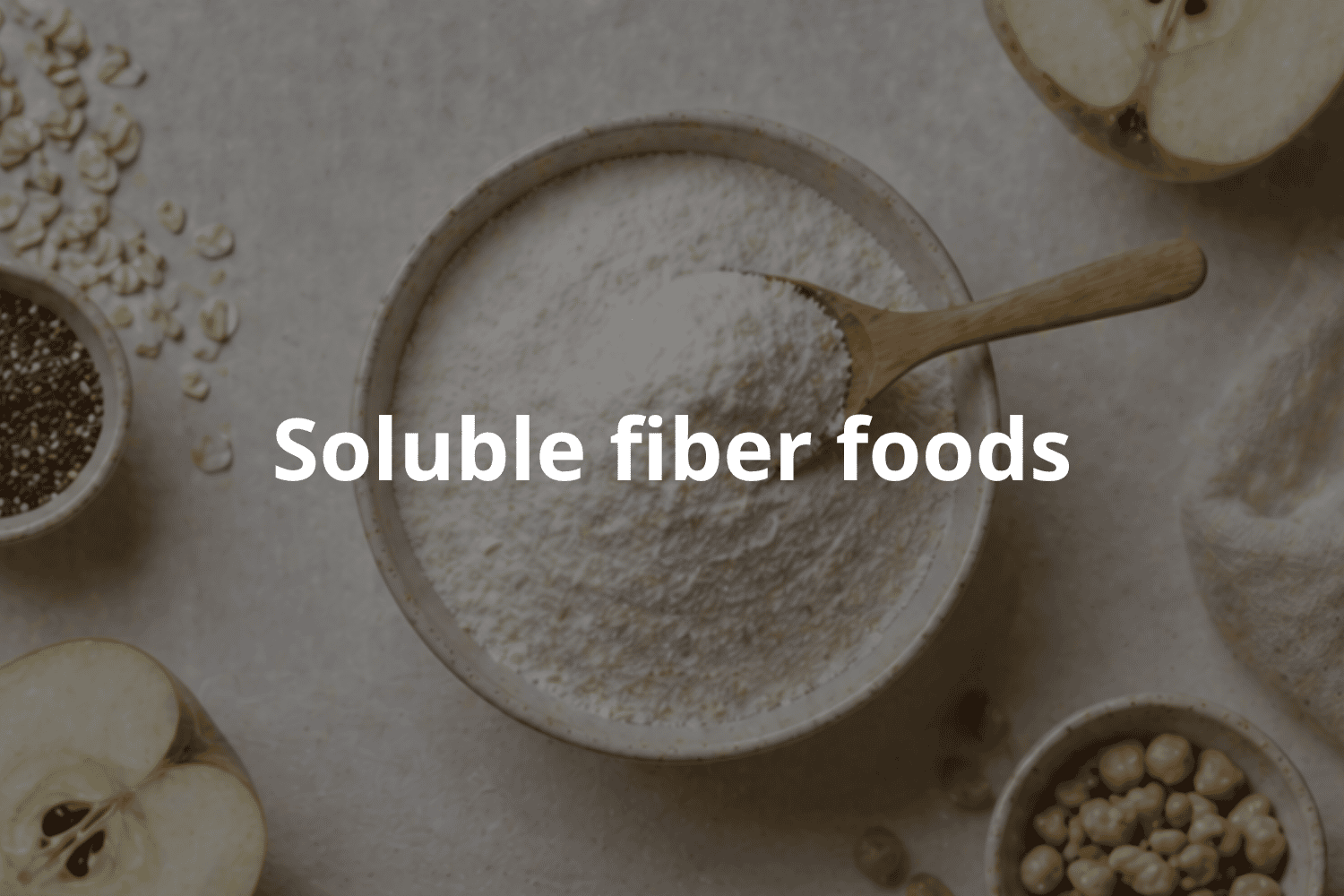
Soluble fiber foods help improve digestive health by supporting regular digestion, promoting gut balance, and nourishing beneficial intestinal bacteria. Foods rich in soluble fiber, such as agave inulin, oats, fruits, and legumes, are commonly included in healthy diets due to their potential benefits for digestion, satiety, and overall wellness.
soluble fiber
For years, talking about fiber was synonymous with “improving digestion.” Today, that idea is no longer enough.
Current science has shown that not all fiber is the same, and within this category there is a group that is redefining how we understand nutrition: soluble fiber foods.
These foods not only support the digestive system but also actively participate in key bodily processes, from blood sugar control to gut microbiota balance.
In this new landscape, choosing the right sources of fiber is no longer optional—it’s strategic.
What Makes soluble fiber Foods Different?
Unlike insoluble fiber, which mainly supports intestinal transit, soluble fiber foods have the ability to dissolve in water and form a gel-like substance in the digestive system.
This behavior allows them to:
- Slow down digestion
- Regulate nutrient absorption
- Serve as food for beneficial bacteria
In other words, they don’t just pass through the body—they interact with it.
And that interaction is what makes them a powerful tool in functional nutrition.
The Real Impact on Your Body: Beyond Digestion
Incorporating soluble fiber foods into your diet produces effects that go far beyond simply “feeling lighter.”
Glucose control: By slowing sugar absorption, they help maintain more stable blood glucose levels.
Cholesterol reduction: Soluble fiber has been shown to help lower LDL cholesterol.
Gut health: They act as prebiotics, feeding beneficial bacteria.
Satiety: They create a feeling of fullness that helps regulate appetite.
This combination of benefits positions them as a key element in modern diets focused on overall wellness.
Soluble Fiber Foods and Microbiota: A Strategic Relationship
One of the most important aspects of soluble fiber foods is their role in gut health.
When this type of fiber reaches the colon, it is fermented by beneficial bacteria, producing compounds that strengthen the intestinal environment.
This process helps to:
- Balance the microbiota
- Reduce inflammation
- Improve digestion
- Strengthen the immune system
This is where soluble fiber connects directly with the concept of prebiotics, becoming a bridge between nutrition and functionality.
Key Soluble Fiber Foods You Should Know
Incorporating soluble fiber foods is not complicated, but it does require knowing the right sources.
Some of the most important include:
- Oats
- Apples
- Carrots
- Legumes (lentils, beans)
- Citrus fruits
- Seeds such as chia and flax
- Agave (rich in inulin)
Each provides specific benefits, but all share the ability to improve digestive health from within.
Agave and Inulin: Key Players Among Soluble Fiber Foods
Within this category, agave holds a special place.
Its inulin content—a soluble fiber with prebiotic properties—makes it a highly functional ingredient.
Agave inulin not only supports the microbiota, but also:
- Has high digestive tolerance
- Is easy to incorporate into foods
- Provides benefits without significantly altering taste
This positions it as one of the most efficient sources of soluble fiber available today.

Functional Innovation: The Natbee Blue Approach
In a market where consumers are looking for more than basic products, innovation becomes a key differentiator.
Natbee Blue has understood this evolution by integrating functional ingredients like agave inulin into its offerings.
Its approach goes beyond providing products—it focuses on developing solutions aligned with global health trends:
- Functional nutrition
- Natural ingredients
- Digestive wellness
- Prevention through nutrition
This allows soluble fiber foods to move from being a nutritional recommendation to an accessible consumer experience.
How to Incorporate Soluble Fiber Foods into Your Daily Routine
One of the biggest challenges in healthy eating is consistency.
Soluble fiber foods can be easily integrated by adopting practical habits:
- Include oats in your breakfast
- Add fiber-rich fruits to snacks
- Incorporate legumes into main meals
- Choose functional products with soluble fiber
The key is not consuming large amounts at once, but maintaining consistent intake.
Common Mistakes When Consuming Soluble Fiber
Despite their benefits, it’s important to avoid some common mistakes:
- Increasing intake too quickly (may cause digestive discomfort)
- Not staying properly hydrated (soluble fiber needs water to function)
- Relying on a single source (variety is key)
- Ignoring overall diet context (it should be part of a balanced diet)
Avoiding these mistakes helps maximize the benefits of soluble fiber foods.
The Future of Food: Functional, Natural, and Conscious
The growing interest in soluble fiber foods reflects a deeper shift in how people relate to food.
Today, consumers are looking for:
- Ingredients with real benefits
- Science-backed products
- Natural options
- Preventive solutions, not just reactive ones
This has driven the development of new proposals within the food industry, where soluble fiber plays a central role.